

Pretrial Fairness Act: Where Are We Now?
Although the SAFE-T Act was designed to eliminate wealth-based disparities, it has arguably replaced one two-tiered system with another. Wealthier defendants can afford private attorneys, who manage fewer cases and devote more resources to their clients. By contrast, indigent defendants must rely on overburdened public defenders.
Before the Act, families often used bond refunds to pay for private legal representation. With cash bail eliminated, that option has vanished, leaving many low-income defendants with diminished access to experienced counsel. In practice, the Act may have increased inequality in legal representation, even as it reduced inequality in pretrial release.
(Original featured photo above adapted from UIC School of Public Health photo)

The Pretrial Fairness Act and the Elimination of Cash Bail in Illinois
Originally published 3/12/2024
2026 UPDATE COMING SOON!
On September 18, 2023, after extensive litigation in the Illinois Supreme Court, the Pretrial Fairness Act, commonly referred to as the SAFE-T Act, went into effect in Illinois. Codified beginning at 725 ILCS 5/110-5, this landmark legislation eliminated cash bail and financial conditions of release in criminal cases. Originally introduced in 2021 as Senate Bill 4052 by Senator Robert Peters, the Act replaced all statutory references to “bail,” “bail bond,” or “conditions of bail” with the term “pretrial release.”
Under the new framework, families can no longer raise funds to post bail for defendants detained in the Cook County Jail. This seismic shift fundamentally alters the pretrial justice system in Illinois, and nowhere is its impact more visible than in Cook County.
First Appearance Court and Judicial Options
What was once known as Central Bond Court is now called First Appearance Court. Judges presiding over these hearings no longer determine a bond amount by weighing a defendant’s danger to society, likelihood of flight, or history of court compliance. Instead, they must decide whether to detain or release, often with limited conditions such as recognizance, curfew, or electronic monitoring.
Although the pretrial services department still provides risk assessments, the court’s discretion has been significantly narrowed. Under the Act, the State is required to file a petition to detain whenever a defendant is charged with a detention-eligible offense. Prior to this reform, such petitions were rarely filed, and judges often used high bond amounts—sometimes millions of dollars—as a de facto way to ensure detention. That practice is no longer possible.
The Old Bail Framework
The prior statute, 725 ILCS 110-5(b)(1)-(3), required bail to be:
Sufficient to ensure compliance with bond conditions;
Not oppressive; and
Considerate of the financial ability of the accused.
Cook County courts had already taken steps to reduce inequities, releasing many defendants held on low financial bonds onto electronic home monitoring (EHM) or eliminating financial conditions altogether. Judges frequently granted defense motions to reduce bail to zero, recognizing the inherent unfairness of detaining defendants solely due to poverty.

Illinois:
The First State to Eliminate Cash Bail
Illinois is the largest and primarily only state in the nation to abolish cash bail entirely. While many serious offenders remain detained under the new system, inconsistencies persist.
Detention before trial raises profound constitutional and ethical concerns. Defendants—legally presumed innocent—may spend months or years in Cook County Jail, where conditions are harsh, overcrowded, and often dangerous. Inmates face restricted movement, limited family contact, and heightened risks of violence. The psychological toll is severe, and critics note that changing terminology—referring to “individuals in custody” rather than “inmates”—does little to alter the reality.

EHM
Electronic Home Monitoring
Electronic Home Monitoring (EHM)
The Act has dramatically increased reliance on electronic home monitoring. Defendants on EHM must typically remain at home, with limited exceptions for medical, legal, or employment purposes. By the mid-2010s, participants were granted two days of free movement each week, but staffing shortages and enforcement challenges persist.
UPDATE: Cook County Sheriff Tom Dart’s office will no longer be involved in monitoring defendants on pretrial electronic monitoring. Prior to this change, EM was run by the Sheriff in some cases and by the Cook County Court’s Pretrial Services Unit under the Office of the Chief Judge. This created confusion in the courts as well as difficulty in communicating how pretrial electronic monitoring functioned to the public and to defendants themselves
Media coverage of crimes committed by defendants on EM has fueled public concern, even though such incidents may not represent broader trends. Critics argue that the legislature, driven by advocacy groups and political momentum, underestimated these challenges when enacting the SAFE-T Act.

Detention-Eligible Offenses
Under The New Statute 725 ILCS 5/110-6.1, defendants charged with serious crimes—such as murder, armed robbery, home invasion, sexual assault, arson, kidnapping, and certain aggravated batteries—are detention-eligible.
To detain a defendant pretrial , the State must prove by clear and convincing evidence that:
Proof is evident or the presumption great that the defendant committed the offense;
The defendant poses a real and present danger to a person or the community, or a high risk of flight; and
No combination of conditions could mitigate that risk.

Non-Detention Eligible Offenses and A Two-Tiered Justice System
Non-Detention Eligible Offenses
For less serious charges, release is presumed. Defendants are typically granted release with minimal conditions or placed on EM. Appellate review of trial court decisions has been inconsistent, leaving uncertainty about the scope of judicial discretion.
A controversial rule provides a 48-hour grace period before EM violations are investigated, raising questions about accountability and public safety. Many EM participants were granted two days of unrestricted movement for appointments and other personal business. The courts were routinely required to mediate defendants’ requests related to changing these unmonitored days.
A New Two-Tiered Justice System
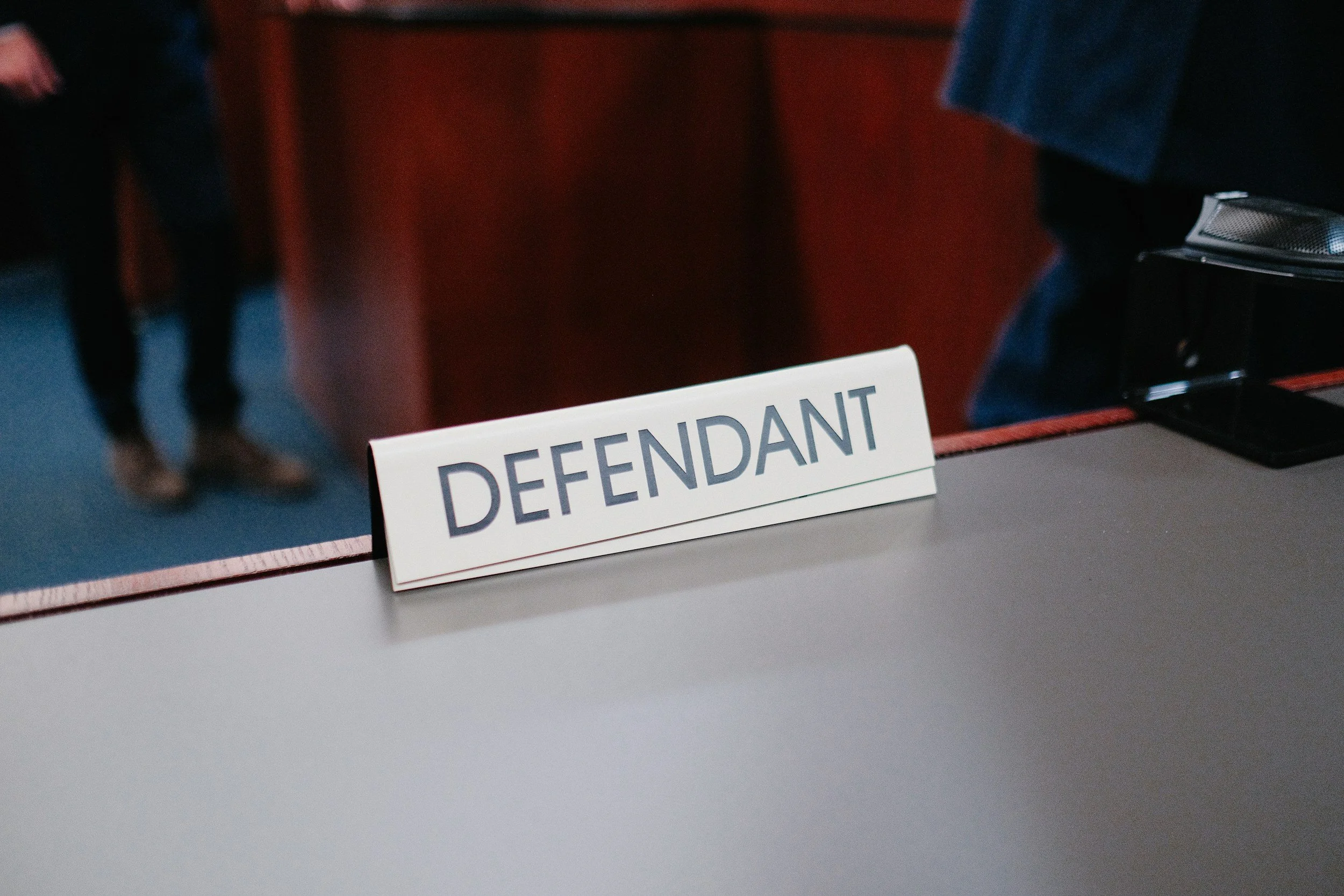
Although the SAFE-T Act was designed to eliminate wealth-based disparities, it has arguably replaced one two-tiered system with another. Wealthier defendants can afford private attorneys, who manage fewer cases and devote more resources to their clients. By contrast, indigent defendants must rely on overburdened public defenders.
Before the Act, families often used bond refunds to pay for private legal representation. With cash bail eliminated, that option has vanished, leaving many low-income defendants with diminished access to experienced counsel. In practice, the Act may have increased inequality in legal representation, even as it reduced inequality in pretrial release.
The Future of the PFA
Where do we go from here?
The Pretrial Fairness Act represents one of the most sweeping bail reforms in American history. While its intent was to eliminate the unfairness of wealth-based detention, its practical effects are complex and controversial. Illinois now stands as the only state to abolish cash bail, serving as a national experiment in pretrial justice.
Whether the Act creates more fairness—or simply shifts inequities into a different form—remains to be seen. What is clear is that the stakes are high: liberty, justice, and public safety all hang in the balance
UPDATES AND FURTHER READING
Read an April 14, 2024 Article “Lawmakers Want Changes To Safe-T Act” at https://www.advantagenews.com/news/local/lawmakers-want-changes-to-safe-t-act/article_f0358d1c-f8e2-11ee-a9b5-53bbcfc92190.html.
6 month report on the Act Https://civicfed.org/sites/default/files/2024-03/PFAImplementationCookCounty.pdf
Attorney Jonathan S. Goldman has been a practicing criminal defense trial lawyer in Cook County, Illinois for over 15 years and practices in Milwaukee and southeastern Wisconsin as appointed counsel for the Office of the Wisconsin State Public Defender. The viewpoints and opinions expressed here are those of Jonathan Goldman only and do not represent the views of Goldman Law Chenter, LLC, nor any partners, subsidiaries, or other entities. Attorney Goldman’s views do not represent those of the Cook County criminal defense bar. We welcome guest submissions to our “What The Law?” blog. We do not accept paid sponsorships for any of our posts or materials.
We take accuracy seriously. If you have any corrections to information contained in this blog, please email us at info@goldmanlaws.com or use our contact form.


Goldman Law Center in the News!
After practicing law in Chicago for more than 16 years, Milwaukee-native Jonathan Goldman is expanding his practice to serve clients in Wisconsin.
During an interview with the Wisconsin Law Journal on Friday, Goldman said he has been paying close attention to the attorney shortage in Wisconsin and wants to help Wisconsin avoid a constitutional crisis as defendants are currently waiting days in jail before seeing a court-appointed attorney in stark conflict with the constitutional right to “a speedy trial.”

Click on the image above or visit https://wislawjournal.com/2024/09/06/milwaukee-native-expands-chicago-law-firm-to-wisconsin/ to view the full article in the Wisconsin Law Journal


Vitamin M For Mental Health: Self-Care for Clients
For almost anyone charged with a crime, the experience is one of the most challenging of their lives. Those new to the system are introduced to a slow, inefficient, and unfriendly justice system that views them as numbers instead of human beings. Repeat visitors are subject to the continued insistence that they are problematic to society and deserving of punishment. Defendant are labeled as “criminals”, regardless of the circumstances of their cases, their lives or even their true guilt. As defense attorneys and human beings, we truly do not want our clients or anyone else to suffer, and have noticed the pervasive problem of unaddressed mental health concerns and the negative effect it has on society and individuals.

SUICIDE AND CRISIS LIFELINE 988 - IF YOU OR A LOVED ONE ARE HAVING SUICIDAL OR SELF-HARM THOUGHTS, FEELING DEPRESSED, OR JUST NEED SOMEONE TO TALK TO, CALL 988 OR TEXT 988 FOR THE 24-HOUR SUICIDE AND CRISIS LIFELINE (PRESS 1 FOR VETERANS, 2 FOR SPANISH). THE LIFELINE IS ALSO AVAILABLE AT HTTPS://988LIFELINE.ORG/CHAT.
IN AN EMERGENCY, IF YOU HAVE HARMED YOURSELF OR CANNOT CONTROL YOUR SUICIDAL URGES, CALL 911 IMMEDIATELY.
CHICAGO, IL - Being charged with a crime is among the most daunting experiences one can face. For newcomers, the justice system can seem slow, inefficient, and impersonal, reducing individuals to mere statistics. Repeat offenders often endure the stigma of being labeled as societal problems, perpetuating a cycle of punishment. Regardless of circumstances, defendants are branded as "criminals," disregarding their lives or actual guilt.
As defense attorneys and fellow humans, we empathize with the suffering of our clients and recognize the pervasive issue of unaddressed mental health concerns. This post aims to foster an open dialogue across cultures because, fundamentally, we are all human. Mental health, like physical health, is universal and merits open discussion and a willingness to seek help.
Drawing on over 15 years of experience as a criminal defense lawyer in Chicago, I offer insights based on navigating high-stakes, emotionally charged situations. While my perspective is specific, the principles shared are applicable to all. This post merely scratches the surface of the mental health crisis within our justice system, but its goal is to destigmatize emotions and encourage seeking assistance.
Many mental health challenges faced by our clients stem directly from their involvement in the criminal justice system. Depression and anxiety are prevalent, and it's crucial for lawyers to assess their severity by engaging in meaningful conversations with clients and their families. Clients often won't volunteer information about their mental well-being, so it falls on us to recognize signs of distress and have difficult conversations when necessary.
While I'm not a trained therapist, part of my role as an attorney is to act in my clients' best interests, which includes addressing concerns about suicidal thoughts. Asking these tough questions may be uncomfortable, but it's vital to ensure clients get the help they need. The increased prevalence of depression and anxiety among clients is evident, especially since the onset of the COVID-19 pandemic, which exacerbated existing mental health challenges.
Anxiety stemming from the uncertainty of criminal cases and depression linked to clients' current and perceived future circumstances are common themes. It's crucial for clients to understand that experiencing these emotions is not a personal failing. Whether due to underlying mental health issues or the stress of criminal charges, seeking help is a sign of strength, not weakness. Let's continue to have open conversations about mental health, ensuring that those in need receive the support and compassion they deserve.
WHAT DOES IT SOUND LIKE?
I OFTEN HEAR CLIENTS SAY:
“WHY IS IT ALWAYS ME?”
“THERE IS NO HOPE”
“EVERYTHING IS STACKED AGAINST ME”
“I JUST CAN’T CATCH A BREAK”
“I’M JUST STUPID”
“I JUST FEEL SICK TO MY STOMACH ALL THE TIME”
“I WAS SO UPSET I ALMOST CRIED, BUT I DON’T CRY”
“I’VE JUST BEEN SITTING AROUND DOING NOTHING”
“I WANT THIS TO BE BEHIND ME AND DONE”
“THE WORLD IS AGAINST ME”
“I SEE ALL OF THESE OTHER PEOPLE WALKING AROUND HAPPY, AND I DON’T FEEL HAPPY”
“THIS IS MY LIFE AT STAKE AND I CAN’T DO ANYTHING ABOUT IT”
“I SCREWED THIS UP, NOW IT’S GOING TO RUIN MY LIFE”
Expressions of depression and anxiety or engaging in negative self-talk, often accompanied by excessive self-blame, are common experiences. Cultural norms, especially those around toughness and masculinity, have historically perpetuated the idea that facing challenges means stoically "manning up." Expressing anxiety or sadness was often discouraged, fostering the belief that healthy individuals should navigate their emotions independently. However, suppressing emotions often leads to harmful outcomes—emotions build up until they erupt, manifesting in behaviors like substance abuse, rage, violence, self-harm, or suicide.
With mental health gaining traction in media discourse, it's evident that addressing uncomfortable emotions in a healthy, supported manner is crucial for overall well-being. The stereotype of the emotionally stoic "tough guy" is giving way to a more constructive approach to coping with emotions and adversity. While it requires effort, nobody should endure misery or think they deserve to feel that way. Ruminating on uncontrollable aspects of life impedes one's ability to appreciate the present moment.
By replacing negative self-talk and worry with gratitude, individuals can cultivate a more fulfilling life and deeper connections with others and themselves. Much of this journey involves practicing positive self-talk, affirming one's inherent worth and resilience. It's reassuring to know that everyone experiences such thoughts at some point, and it's normal and acceptable to feel that way.
As mental health garners more attention in conversations, it becomes clear that addressing uncomfortable emotions in a healthy, supported manner is essential for overall well-being. The cultural archetype of the "tough guy" is gradually giving way to a more nuanced understanding of emotional resilience and coping strategies. Though it takes effort, nobody should endure perpetual misery, and nobody deserves to feel that way. Dwelling on uncontrollable aspects of life prevents one from fully experiencing the present moment.
By replacing negative self-talk and worry with gratitude, individuals can unlock a more fulfilling life and forge deeper connections with others and themselves. This journey often involves practicing positive self-talk, acknowledging one's inherent worth, and embracing resilience. It's comforting to know that everyone grapples with such thoughts at some point, and it's perfectly normal and acceptable to feel that way. do so.
SELF TALK MOMENT - “You are not alone in this. You are OK, and you will get through this experience just like you have gotten through past challenges.”
During tough times, remember this mantra or find one that resonates with you. Practice self-talk in front of a mirror, on your phone, or silently in your mind. Reflect on the challenges you've conquered in the past—they are victories worth celebrating, even the smallest ones.
Negative thinking can become a self-fulfilling prophecy*. If you expect bad outcomes, you're more likely to act in ways that lead to those outcomes. Repeating negative self-talk perpetuates this cycle. Conversely, affirming your ability to succeed increases your chances of success. Negative self-talk contradicts self-compassion, a practice that allows us to embrace ourselves fully.
Tell yourself that you're strong and capable of overcoming challenges. With this mindset, you'll navigate difficult situations with resilience and achieve greater success. You engage in self-talk constantly, often without realizing it. Before significant events, you might already be practicing positive self-talk, like saying "I got this."
The goal is to replace the inner voice that doubts your worth and happiness with one that affirms them. Repetition of positive self-talk and celebration of your achievements are crucial aspects of self-care and self-compassion. Embrace this practice to nurture your well-being and lead a fulfilling life.

Self-Compassion:
Treating yourself like you would treat a close friend who was struggling. -Kristin Neff, PhD “The Science of Self-Compassion”
Self-compassion forms the bedrock for improving your relationship with yourself. Treat yourself with the same kindness and understanding you would offer to a cherished friend. Criticizing yourself for not meeting unrealistic standards only holds you back. It's essential to grant yourself compassion and grace. Moreover, acknowledge and appreciate your successes.
As you integrate these practices into your self-care regimen, you'll observe enhancements in your mood and a reduction in anxiety. The human brain possesses remarkable adaptability and can rewire itself at any age to cultivate healthier thought patterns. By prioritizing self-compassion, you pave the way for greater well-being and inner peace. I highly recommend checking out Dr. Kristin Neff’s materials on her website self-compassion.org as well as her TED Talk “The Space Between Self-Esteem and Self-Compassion.”**
SELF-COMPASSION EXERCISE:
Picture someone who you consider compassionate towards you. A spouse, friend, family member, or anyone else who cares about you and shows you compassion. Put your picture of them in the front of your mind.
1) What are the qualities of that person that show compassion?
2) How does that person behave and speak compassionately towards you?
3) What kinds of encouragement does that person give you?
4) What tone do they take when they are talking to you? What is their body language? What physical things do they do to comfort you?
5) Why does that person think you deserve to be happy?
Now pick one of the negative things you say to yourself. For example, “I’m a screw up and I don’t deserve another chance.” Would your compassionate person ever say that to you??
How would your compassionate person talk to you in your current situation? What words of encouragement would they give? What would they tell you about yourself that would make you feel better? What would you say to a close friend in your situation?
Self-compassion teaches us to talk to ourselves as compassionately as someone who cares about us would do, and to know that we deserve it.
NORMALIZING FEELINGS - There's no shame in seeking support when we confront challenges. My clients must understand that experiencing various emotions is normal and expected given their circumstances. It's crucial to recognize that these feelings are neither their fault nor something to blame themselves for.
Perspective is key. It's entirely natural for someone whose life has been disrupted by a criminal charge to feel upset, sad, or fearful. These experiences, such as being incarcerated or placed under house arrest, are far from ordinary. Feeling distressed or anxious under such circumstances is expected, but it's important to remember that you don't have to endure overwhelming depression or anxiety alone. There are steps you can take to improve your well-being, and you deserve to feel better.

Accepting Uncertainty
Accepting reality and not letting things that are out of your control negatively effect you.
Very few situations evoke more uncertainty than facing criminal charges. The ambiguity about your future, freedom, family, and personal impact of the case can be overwhelming. A common response is to catastrophize, magnifying every negative possibility to the extreme. For instance, envisioning a bleak future: “If convicted, I'll be separated from my family, incarcerated, unable to find work, and destined for a life of poverty and loneliness.” While this may seem exaggerated, catastrophizing is a prevalent cognitive pattern. Despite seeming helpful, it impedes present problem-solving.
Constructing worst-case scenarios seldom aligns with reality. Most outcomes are manageable or even positive. Recognizing this futility prompts our brains to focus on more plausible, neutral, or positive scenarios, reducing discomfort and distress caused by uncertainty. This mental rewiring requires practice, often undertaken in therapy to enhance understanding and coping with negative emotions.
Catastrophic thinking is maladaptive and detrimental to mental well-being. Dwelling on uncontrollable aspects like losing family ties or career prospects exacerbates distress. The initial step involves a mindful pause from racing thoughts, redirecting focus to healthy coping strategies. Asking, “Can I influence any of these outcomes right now?” initiates acknowledgment and acceptance of uncontrollable realities, known as Radical Acceptance. Embracing reality, though challenging, distinguishes pain from optional suffering, fostering resilience and peace. Acceptance does not equal approval, and often we have to accept things that we disagree with in understanding reality as it is. In “How to Practice Radical Acceptance,” Tchiki Davis, PhD explains, “There is a famous saying that ‘Pain is inevitable; suffering is optional.’ It suggests that pain is an inevitable part of life; suffering, however, arises from not accepting the pain.”***
Davis lists suggestions on steps you can take to practice Radical Acceptance Skills
Acknowledge the present. The most important part is to be mindful of your situation, paying attention to it in a non-judgmental way. However, this does not mean you should accept abusive or manipulative behavior; it just means accepting the reality, whether you like it or not. Acceptance does not necessarily mean approval.
Ask yourself if you can control or change the situation. If you can’t control what happens, why are you getting angry? It can be painful to acknowledge that you’re not always in control, but it can also be freeing.
Let go of judgment. Practicing radical acceptance means letting go of judgment and experiencing things as they actually are. You can improve this mindfulness skill by practicing meditation and being present in the moment.
Let the past be in the past. Remind yourself that the past cannot be changed. The past, no matter if good or bad, happened.
Breathe. This may sound simple, but it can be extremely effective. Whenever you are fighting reality, your body may get tense in parts such as the shoulders, face, or stomach. So take deep breaths for a few moments and focus on them. When you practice watching your breath, you may ground yourself in the present moment and become more relaxed.
Be patient. Choose to practice radical acceptance on a daily basis and understand that it takes time to master it.
Practice. Practice accepting situations so that when bigger challenges come along, you’ll have already developed these skills.⁺
THOUGHT CHALLENGING
Another important practice for reducing the impact these seemingly catastrophic thoughts have on the way you feel is challenging your thoughts. The first step is identifying your core fear - the ultimate feared consequence. It can be an “if _____ then _____” statement about what you think will happen. After identifying the fear, we focus on using logic to challenge the perceived truth of it. One such method is probability overestimation.++ Assuming that the worst outcomes are certain prevents us from seeing the many potential neutral or positive outcomes in an uncertain future and causes us to ignore evidence that may suggest a different outcome.
Probability Overestimation Exercise
1) Describe the fear in specific terms. “I’ll never be able to get a good job”
2) From 0 (not at all likely) to 100 (guaranteed to happen), rate the probability of your fear occurring. “80%”
3) What evidence supports your fear? “Job applications ask if you are a felon.”
4) Challenge the evidence. “Is the fact that job applications ask if you are a felon really evidence that you will never get a good job? Is the fact that you know some people who have had trouble getting work after a criminal case that you will never be able to find a good job?” The answer to both is no. Then if not, why not? Try the following questions to work this out:
-In the past, how many times have I faced a similar situation and how many times has this feared outcome occurred?
-What are other possible outcomes that may be neutral or positive?
-Is the feared outcome guaranteed to occur?
-How likely is the feared outcome?
5) Given these facts, can you logically conclude that the evidence you have been using supports your fear? “No.”
6) Reassess from 0 to 100 how likely it is to occur. “20%”
Your aim is to transition towards a more logical and rational response to fear. Saying, “Yes, it is scary, and I feel better able to move forward,” embodies a vital aspect of dialectics, or Dialectical Behavioral Therapy (DBT).⁺⁺⁺Often, when we harbor conflicting thoughts, we experience cognitive dissonance—a mental discomfort arising from holding two opposing beliefs, values, or attitudes. DBT acknowledges that conflicting thoughts can coexist. For instance, “I am experiencing discomfort, and I am okay.” This recognition of the present moment and acceptance that emotions are transient redirect thought patterns from negativity towards problem-solving and acceptance.
MENTAL HEALTH IS HUMAN HEALTH

If you tell yourself that you are a failure, you will fail. If you tell yourself that you can succeed, you will succeed.
Mental health isn't a taboo topic, but an essential aspect of overall well-being. Just as we prioritize physical health, it's crucial to care for our mental wellness. Therapy offers effective strategies for addressing challenges like negative self-talk and self-blame, whether through Cognitive-Behavioral Therapy (CBT), Dialectical Behavioral Therapy (DBT), or Experiential Therapy.
The journey towards self-compassion and changing negative thought patterns begins by challenging false beliefs. With consistent daily practice and ongoing self-improvement, you'll witness positive changes—reduced anxiety, improved self-esteem, and enhanced relationships with others. Those who care about you want to see you thrive and feel content.
Therapy sessions, including virtual visits, offer a supportive environment devoid of judgment. Seeking help is a sign of strength, not weakness. Remember, progress doesn't require immediate, drastic changes. Take your time, acknowledge your successes, and embrace the journey towards happiness and mental well-being. You'll discover that you have more support than you imagined on your healing journey.
Simply reading this blog is a victory in itself. Congratulate yourself, you have taken the first step! The journey begins here and goes wherever you want and need it to go. -JSG

You are not alone.
You do not need to suffer in silence.

If you are interested in finding a therapist, Betterhelp.com matches you up with a therapist you can talk to through video appointments and is therapy that works for your schedule. Visit betterhelp.com for more information. Betterhelp.com is not an emergency service. If you are having suicidal thoughts, call 988 or text 988 for the Suicide Crisis Line. If you are having uncontrollable suicidal thoughts, or have harmed yourself, CALL 911. (Betterhelp.com is not affiliated with Goldman Law Chicago and has not provided any payment to be included in this post.)
SOURCES:
* Schaedig, Derek, ”Self-Fulfilling Prophecy In Psychology: Definition & Examples”, Simply Psychology, Simply Scholar Ltd., February 13, 2024. Available at https://www.simplypsychology.org/self-fulfilling-prophecy.html.
**Neff, Kristin PhD, “The Science of Self-Compassion”. https://greatergood.berkeley.edu/images/uploads/Neff_Fierce_Self-Compassion_Resources.pdf. Further resources from Dr. Neff, including detailed definitions and information on practicing self-compassion are available at https://self-compassion.org/.
*** Davis, Tchiki, PhD, “How to Practice Radical Acceptance”. Psychology Today. December 3, 2023. Sussex Publishers, LLC. Available at https://www.psychologytoday.com/us/blog/click-here-for-happiness/202301/how-to-practice-radical-acceptance.
⁺ Sutton, Jeremy, PhD, “16 Decatastrophizing Tools, Worksheets, and Role-Plays”. Positivepsychology.com. September 24, 2020. Available at https://positivepsychology.com/decatastrophizing-worksheets/.
⁺⁺Taitz, Jenny, “Radical Acceptance Can Keep Emotional Pain From Turning Into Suffering” Cited in Davis. The New York Times. April 22, 2021. The New York Times Company. Available at https://www.nytimes.com/2021/04/22/well/mind/radical-acceptance-suffering.html.
⁺⁺⁺ “Dialectical Behavioral Therapy” Psychology Today. Available at https://www.psychologytoday.com/us/therapy-types/dialectical-behavior-therapy.
^ Sherry, Kendra MSEd, “What is Cognitive Dissonance? Definition and Examples", November 7, 2022. Published by VerywellMind. Dotdash Media, Inc. Available at https://www.verywellmind.com/what-is-cognitive-dissonance-2795012.
DISCLAIMER: This post is for informational and educational purposes only and is not intended to be a substitute for a relationship with a professional therapist or provider. Attorney Jonathan Goldman is not a licensed therapist, and the information provided does not constitute legal or medical advice. Sources have been cited to allow readers to explore the concepts presented on their own. To find a therapist in your area, The Illinois Department of Human Services (IDHS) provides an office locator online to find mental health treatment, therapists, and doctors. The IDHS help line is available at (800) 843-6154. The website betterhelp.com can also link you to therapists you can meet with remotely from your home. Our website’s homepage also has a list of resources for anyone experiencing difficulties. IF YOU HAVE AN EMERGENCY, ARE EXPERIENCING SUICIDAL THOUGHTS OR HAVE HARMED YOURSELF, CALL 911 IMMEDIATELY. Call or text 988 for the Suicide and Crisis Line - available for anyone going through a difficult time, experiencing depression or suicidal thoughts, or needs to talk.
Attorney Jonathan S. Goldman has been a practicing criminal defense trial lawyer in Cook County, Illinois for over 15 years. The viewpoints and opinions expressed here are those of Jonathan Goldman only and do not represent the views of Goldman Law Chicago, nor any partners, subsidiaries, or other entities. Attorney Goldman’s views do not represent those of the Cook County criminal defense bar. We welcome guest submissions to our “What The Law?” blog. We do not accept paid sponsorships for any of our posts or materials.
We take accuracy seriously. If you have any corrections to information contained in this blog or questions, please email us at info@goldmanlaws.com or use our contact form.


JURIES AND THE RIGHT TO A FAIR TRIAL
“Sadly, human nature shows this presumption to be wrong time and time again. Contrary to Law and Order and the contrived, innuendo-filled press conferences of police officials and prosecutors, the main charge of the justice system is not necessarily justice – it is efficiency.”

What Really is the Right to a Fair Trial?
Attorney Jonathan S. Goldman
NOTE: This entry was originally published by Attorney Jonathan S. Goldman on his “What the Law?” blog website and edited for content. Statutes and rules may have changed since the original publication date. None of the information provided in this blog is intended to be legal advice nor is it a substitute for the judgment of a trained, licensed attorney. “Him" refers to “Him or her” as statutes and legal publications use the terms interchangeably when referring to defendants for clarity and ease of understanding.
CHICAGO, ILLINOIS - “All rise for the jury,” is the beginning of a challenging journey for any criminal defense attorney. From that moment on, you and your client are on display. The jury watches your every move to try to gain some unknown insight into how they should rule and decide your client’s fate. There are no second chances, and the stakes are high. Your client is dressed in a suit and tie and seated next to you as if they were part of the courtroom scenery. But from the moment the jurors “meet” the defendant when he is introduced, they are making constant, often unconscious decisions about their character, propensity to commit crime, and whether they appear similar or different from the jurors and their acquaintances. From the start, judges and other courtroom staff take great pains to attempt to prevent any prejudice against the defendant from slipping in. These small measures are often taken in good faith but do little to overcome basic presumptions of jurors sitting in judgment of the accused.
Much of jury selection is based upon the admittedly inexact science of figuring out the characteristics of jurors who may be sympathetic or unsympathetic towards the accused. Defense attorneys want their clients to give the jurors a good first impression and maintain that impression throughout the trial. Defendants are instructed not to react to anything that happens in the courtroom and to appear respectful and remorseful. This duality is somewhat difficult to achieve, however. While jurors are more willing to be lenient and on the side of a Defendant who appears remorseful and frightened, truly innocent defendants may have a hard time accepting that lies are being told about them in open court, under oath, and to the jury who holds the key to their freedom.
“But if the State and police have gone through this much work to get the case put together, it’s pretty likely that they have the right person with the correct charge, right?”
Sadly, human nature shows this presumption to be wrong time and time again. Contrary to Law and Order and the contrived, innuendo-filled press conferences of police officials and prosecutors, the main charge of the justice system is not necessarily justice – it is efficiency.
INNOCENT UNTIL PROVEN GUILTY? THE “US-VERSUS-THEM” FALLACY
Illinois Pattern Jury Instruction 2.03: PRESUMPTION OF INNOCENCE – REASONABLE DOUBT – BURDEN OF PROOF GENERALLY “The Defendant is presumed to be innocent of the charges against him. This presumption remains with him throughout every stage of the trial and during your deliberations on the verdict and is not overcome unless from all the evidence in this case you are convinced beyond a reasonable doubt that he is guilty. The State has the burden of proving the guilt of the defendant beyond a reasonable doubt, and this burden remains on the State throughout the case. The defendant is not required to prove his innocence.”
How can this possibly work? Can you truly reconcile this unbelievably important right with the fact that the prosecutor is accusing the defendant of heinous acts? Attorneys are not allowed to even suggest to juries that simply because someone has been charged of a crime and has exercised their right to a jury trial that there is even a minute possibility that it is more likely than not that the accused is guilty. But for many jurors, this is their first experience with the criminal justice system. The very first thing that they hear, after they are picked as jurors and seated for the trial, is what a horrible, illegal, disgusting thing the defendant sitting right in front of them has done. Next they hear the defense attorney’s opening statement, but they have already been primed to follow and understand the prosecution’s case.
Jurors are picked from the community, ostensibly. The jury pool is often taken from the voter rolls of the county or from those who have registered for a driver’s license. To some extent, there is a self-selection bias, however courts have somewhat wised-up to the excuses that people use to get out of jury duty. Sadly, every juror who thinks that he or she can game the system and get kicked off of the jury panel, or that it is below him or her to sit on a jury would have an absolutely different opinion if the roles were reversed. The public is not conditioned to think, “What if it was my family member who was accused of a crime?? What if it was me??” We have created a criminal justice system with a very strong “Us-Versus-Them” mentality. To some jurors, jury duty is a mere inconvenience to their otherwise important life. Those in the “Us” category have better things to do. Companies need to be run, emails returned, and the world needs them to keep it from falling off of its axis. Very few jurors are willing to identify with the “Them” category. In a juror’s mind, “they” are defendants and criminals. This cuts along racial and class lines. This mentality may not be intentional, but it is detrimental to defendants who are merely asking other citizens to take a short amount of time out of their lives to uphold the Constitution and give them a fair trial. How can jurors living in the “Us” mentality not identify with the victims of a crime?? After all, “they” are the ones victimizing “us” with their criminal behavior. “They” are the defendants in these cases not because of some deeply-rooted societal issues, but because “they” are different from “us.” This classist mentality creeps into anyone who sits in judgment of others. Jurors who have experienced problems with police and the criminal justice system are better able to see the problems inherent in the system and in jury cases, and juries include all of the psychological and sociological issues inherent with group decision making.
THE DEFENDANT’S TESTIMONY: A DANGEROUS SLIPPERLY SLOPE
Defense opening arguments are a relatively decent way to endear yourself to jurors. At best, they make suggestions and requests of the jury to see the holes in the case – to look further into the testimony than their prosecutorial counterpart would have them do. No case is ever as cut-and-dried as it seems when the prosecutor is standing accusing the defendant of doing something which disrupted society, possibly hurt someone, or did something else to offend legal sensibilities.
WHY DON’T JURIES GET TO HEAR ANY INFORMATION ABOUT THE DEFENDANT? IS IT REALLY FOR THE DEFENDANT’S PROTECTION? Throughout the testimony of prosecution and defense witnesses, the character of the defendant is absolutely a prohibited topic in most criminal trials. Why? Courts say they don’t want jurors making decisions based upon emotion, their views of the defendant, or other information which is not admitted formally into evidence. Ironically, much of trial strategy is not simply focused on the facts of the case, but on how the jury will view the defendant and witnesses. The litany of rules about the defendant’s choice whether to testify is one such example. Jury instructions are explicitly clear that a defendant has absolutely no duty to prove his innocence or answer for any of his alleged actions as charged by the State. Juries, however, want to hear the defendant’s side of the story, especially if it fills in factual holes.
One of the principles that courts apply is prohibiting testimony about the defendant’s previous crimes, convictions, and bad acts. Criminal trials cannot devolve into a personal attack on the defendant instead of an unbiased examination of the testimony. Problems with testimony and witnesses are already numerous, however court rules and case law generally prohibits prosecutors from referring to prior bad acts of the defendant, personal affiliations, possible gang ties, and other things which may bias the jury against the defendant. This also, however, prevents the defense from presenting positive character information about the defendant – except in very specific instances.

“If the Defendant is Innocent, Why Wouldn’t He Testify?”
Illinois Pattern Jury Instruction 2.04: “The fact that the defendant did not testify must not be considered by you in any way in arriving at your verdict.”
IF A DEFENDANT TESTIFIES…Many things can happen. First and foremost, the Defendant’s prior criminal background can be brought in to impeach him – or destroy his credibility. Jurors will hear if he has been convicted of any felonies within 10 years and what those felonies were. The theory behind this rule is that someone who has been convicted of a felony is more likely to lie on the stand than one of “us” – the non-felons. This weighs hugely on a defense counsel’s decision to advise the defendant to testify – a choice which ultimately lies with the defendant. Few attorneys are going to willingly put their client on the stand only to have whatever he says overshadowed by the fact that he has prior convictions or, even worse, convictions for similar offenses to the one for which he is standing trial.
BUT JURIES WANT TO KNOW THE DEFENDANT’S STORY! This often plays itself out in police stations and squad cars when someone is first arrested. Regardless of their guilt or level of culpability, it is natural behavior to want to explain your side of the story. We want to set the record straight. The fact that the police tell defendants that “Anything they say can and will be used against them in court” is often taken for granted and greatly misunderstood. The rule, 100% of the time, is to invoke your right to have an attorney present with you for questioning and do not make any statements. Say “I would like to have my attorney present” exactly as the police say it in your Miranda rights. Do not answer any other questions. Even when you are asked if you understand your rights, reply that you would like to have your attorney present. We will come in and stop the interrogation, but if you have already made a statement, it may be admissible against you. For arrestees, it is easy to believe that you can talk your way out of trouble. Unfortunately, every word you utter is going to be scrutinized up until the moment when the jury renders a verdict, and every time a defendant talks, a new can of worms is opened up. Yes, juries are not allowed to use the defendant’s silence or choice not to testify (formerly known as his “failure to testify” until the courts wised up, at least in Illinois) against him. How is this possible?? There is no good balance. Even when a defendant does take the stand and is believable in his testimony, the prosecution will attack that defendant with all of the viciousness that the might of the State allows. A defendant telling the “whole truth” may sound like he is equivocating or forgetting important details when matched against a seasoned trial attorney. Defendants, like all witnesses, are subject to the same psychological issues – fading memory over time, the power of suggestion by attorneys and the pressure of testifying. Attorneys must constantly decide if the potential benefits outweigh the costs. Most of the time, putting a defendant on the stand is far riskier than allowing the jury to guess why he isn’t testifying. And often, nobody wins and the truth never wins out…
Like it or not, the criminal justice system in the United States is broken. It is not the best one out there, and it is far from the best one we can come up with. Entrenched ideology about how justice should be disseminated is slow to change. Some of the most serious changes come only with generational change and replacement of the old guard with fresh minds willing to take action to fight the system instead of just surviving it.
THE TAKEAWAY FOR TRIAL ATTORNEYS: AS A DEFENDANT (AND BY PROXY, A DEFENSE ATTORNEY), YOU ARE DAMNED IF YOU DO AND DAMNED IF YOU DON’T. THE “PRESUMPTION OF INNOCENCE” YOU ENJOY AT THE BEGINNING OF A CASE COMES IMMEDIATELY UNDER ATTACK WHEN THE JURORS SEE YOU AS BEING ON THE OTHER SIDE OF SOCIETY- AS BELONGING TO “THEM” INSTEAD OF “US.” ASKING CITIZENS TO SIT IN JUDGMENT OF OTHERS IS AN IMPORTANT PART OF OUR LEGAL SYSTEM, BUT THE JURY SYSTEM PROBLEMATICALLY ASKS THAT PEOPLE IGNORE INSTINCTUAL, OFTEN SUBCONSCIOUS AND LITTLE-UNDERSTOOD BIASES WHICH HAVE HUGE AND LONG-TERM EFFECTS ON THEIR ABILITY TO JUDGE FAIRLY AND IMPARTIALLY.

United State’s Constitution: Amendment VI – “In all criminal prosecutions, the accused shall enjoy the right to a speedy and public trial, by an impartial jury of the State [ ] and to be informed of the nature and cause of the accusation; to be confronted with the witnesses against him; to have compulsory process for obtaining witnesses in his favor, and to have the Assistance of Counsel for his defense.”
Attorney Jonathan S. Goldman has been a practicing criminal defense trial attorney in Cook County, Illinois for over 15 years. All views and opinions expressed on this blog are solely those of Jonathan Goldman and do not represent the views of Goldman Law Chicago, LLC, our partners or subsidiaries. We welcome guest posts to our “What the Law” blog. We take accuracy very seriously. If you have any corrections, please email us at info@goldmanlaws.com or use our contact form.